
In the formation and development of Kievan Rus connection with the neighboring states played an important role, especially relations with the Byzantine Empire, have arisen in ancient times and gained a new power with the adoption of Kievan Rus Christianity as state religion in 988. In the poor records of the chronicles, in the forms of architectural structures, in the colors of icons, in the monumental painting, in the works of jewelry art, we see the powerful influence of the Byzantine tradition, which became the foundation of Christian culture in many regions of the medieval world – Europe, Asia Minor, North Africa and the Caucasus.
But it should be noted that the relationship between Kievan Rus and Byzantium were not limited with only cultural or religious ties. The important place was occupied by the trading and political contacts, as well as military conflicts, both between Kyiv and Constantinople and with other states. Let us focus at every aspect of the interaction of these two countries more closely.
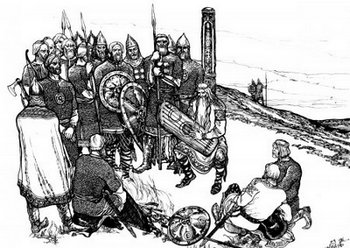
The period of military raids (830-944), which was characterized by numerous attacks of Kyiv Princes on the territory of Byzantium, which aimed the devastation of the territory with the following temporary conclusions of trade agreements, during the Great Wars (970-988), which is characterized by the numerous of the large and long conflicts between the Byzantine and Kievan princes for territory, and the period of military cooperation (988-1204), during which both countries joint military and political cooperation against other states. In addition it should be noted about close dynastic ties between states, such as the marriage of the Grand Prince Vladimir the Great and the Byzantine princess Anna in 989 year, Prince Vsevolod the First and Princess Mary in 1046 year and others.
The economic cooperation must be noted too, because it was mainly associated with the existence of the trade route “from Varangians to Greeks”, which combined together the countries of Eastern and Western Europe, and Asia. However, since the end of 10th century the importance of this road began to declines. On the one hand, it happened because crusaders opened a direct route from Europe to Asia; on the other hand, the feudal fragmentation of Rus prevented the safe usage of this transport way.

But perhaps the most important component was the cultural and religious interaction. Thus precisely because of this interaction Christening of Rus was conducted, and then a rapid flourishing of culture of Kievan Rus began in such spheres , as literature, architecture, education and science, art and music. They were closely related with the Christian religion, which in those days was the content of all expressions in culture, and were based on the culture of Byzantium, , It in turn, accumulated in itself the best examples of world culture of Antiquity and Early Middle Ages.
In general, it can be concluded: Byzantine culture coming to Rus with the adoption of Christianity as, mixed with the local traditions became the basis for cultural development of Kievan Rus in all its manifestations (literature, education, science, architecture, art, music). This rapid expansion took place thanks to the support of Theological and secular power.